The 68th Annual Grammy Awards, which took place on February 1, 2026, was more than just a simple awards ceremony. It unfolded as a rare cultural celebration that merged fashion, music, and personal narratives with historical moments in the industry, curating an unfiltered and deeply human experience for its 14.4 million viewers.
The night showcased some of the world’s most talented musicians, such as Lady Gaga, Sabrina Carpenter, and the youthful K-pop group KATSEYE. Notably, Rosé, a member of BLACKPINK, opened the ceremony with a high-energy duet of “APT” accompanied by Bruno Mars, making her the first K-pop soloist to take the Grammy stage. Wearing only a pair of pale blue boxers, Justin Bieber also delivered a heartfelt performance of “Yukon” to reflect on his relationship with his wife and his transition into fatherhood. Meanwhile, Lauryn Hill, an eight-time Grammy winner, made her first return to the Grammy stage since 1999 to pay tribute to her long-time creative partner, D’Angelo, who pioneered the neo-soul genre and passed away last fall.
However, even with so many vibrant staged moments, unscripted interactions—especially between Bad Bunny and Lady Gaga—were Davey Glazer ‘28’s “favorite moments of the night.” For instance, minutes before Bad Bunny’s album Debí Tirar Más Fotos became the first entirely Spanish Album to win the Best Album Award, Lady Gaga, nominated for the same category, whispered “I love you” into his ear with admiration. Glazer exclaimed that the “spontaneous and fun” nature of the moment “reminds [him] of why live award shows still matter.”
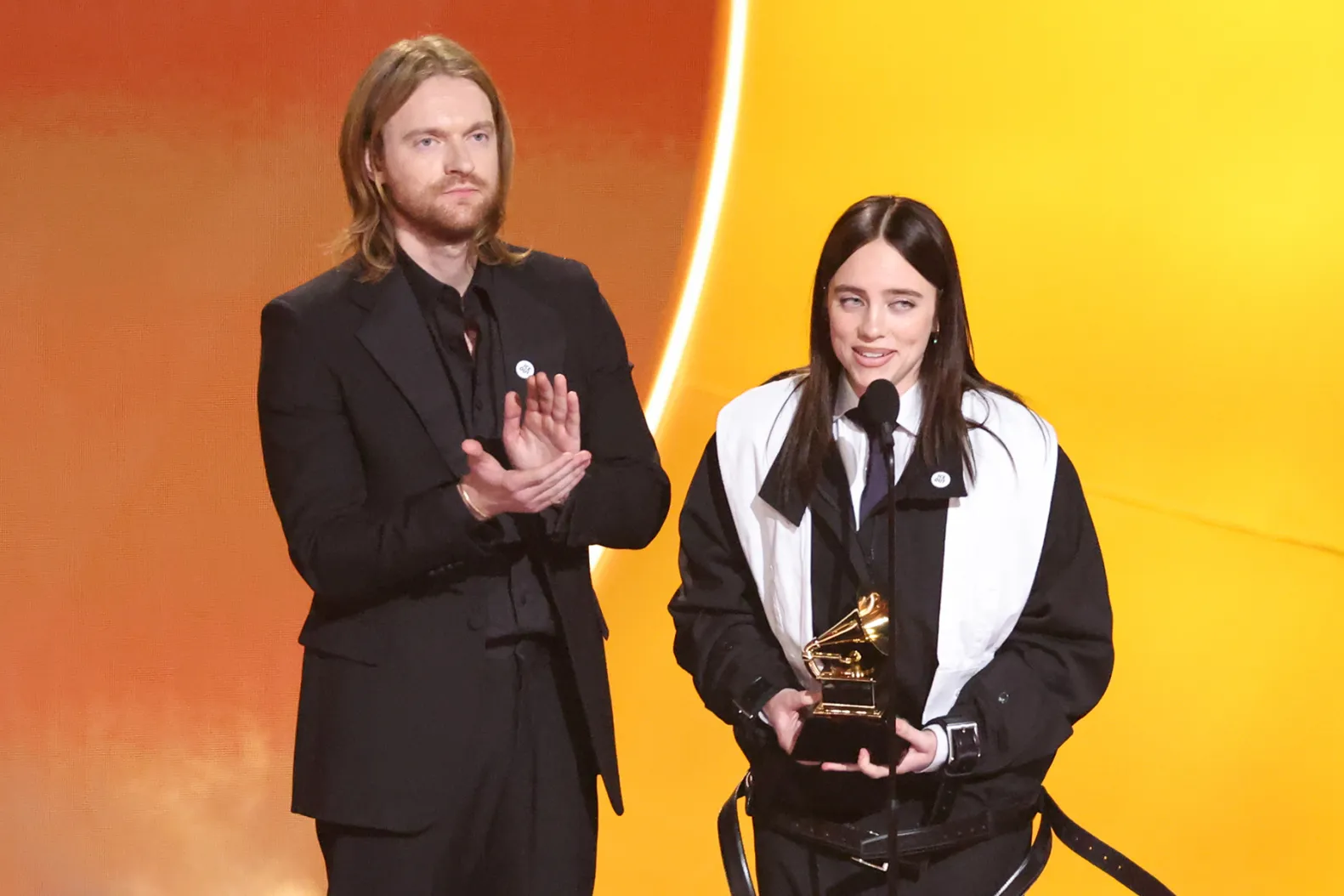
Glazer also felt elated when Billie Eilish won Song of the Year. The song because of which Eilish won the award, “WILDFLOWER,” depicts her candid reflection of her love life. “This decision signals a shift toward recognizing more realistic and emerging voices,” Glazer explained.
Elly Ash ‘26, meanwhile, did not fully support this cultural shift. Although the emerging artist Lola Young and her Solo Performance of the Year-winning song “Messy” embodied the qualities of Eilish and “WILDFLOWER,” Ash said, “‘Messy’ sounded more like a TikTok one-hit wonder than a Grammy-winning single.” Nevertheless, Ash noted her catharsis when Olivia Dean, “whose career blew up this year and [was] definitely well-deserving,” won Best New Artist, one of the Grammys’ “Big Four” categories, which include Album of the Year, Song of the Year, Record of the Year, and Best New Artist. Liz Harris ‘28 expanded on Ash’s statement, spotlighting Dean’s speech that followed the award announcement. “She proudly mentioned that her grandma arrived in the US as an immigrant, a move I loved because ‘Carmen,’ my favorite song she’s written, also honors her grandma.” It’s not just Harris who loved the speech. After Dean referred to herself as a product of immigration and bravery, the audience stood up and erupted into applause.
More significantly, by speaking about her grandmother, Dean shone light on another unique element of this year’s Grammy Awards: the strong political undertone throughout the night. Artists adorned their ceremonial wear with “ICE out” badges as a form of protest. Trevor Noah, the host of the ceremony, also made multiple punch lines against President Trump, ICE, and artists like Nicki Minaj, who publicly endorsed the Republican Party. Furthermore, in their acceptance speeches, Eilish and Bad Bunny shamed ICE for its recent aggressiveness when enforcing immigration laws, emphasizing the humanity of the immigrant population. “These political exchanges,” stated Glazer, made the night “heavier, but more honest.” Harris agreed with Glazer: “[The Grammys is a] really incredible platform for artists to share their views, because with all the culturally significant figures in one room, artists [can] call on each other to fight injustices in the current world,” she says.
Yet Harris also presented her concerns over political commentaries at the Grammys. “Nowadays, music is one of the few ways that we can connect across political divides, and I feel like with artists providing their stances so affirmatively in such a big event, we might lose the cross-political ties that music can bring.”