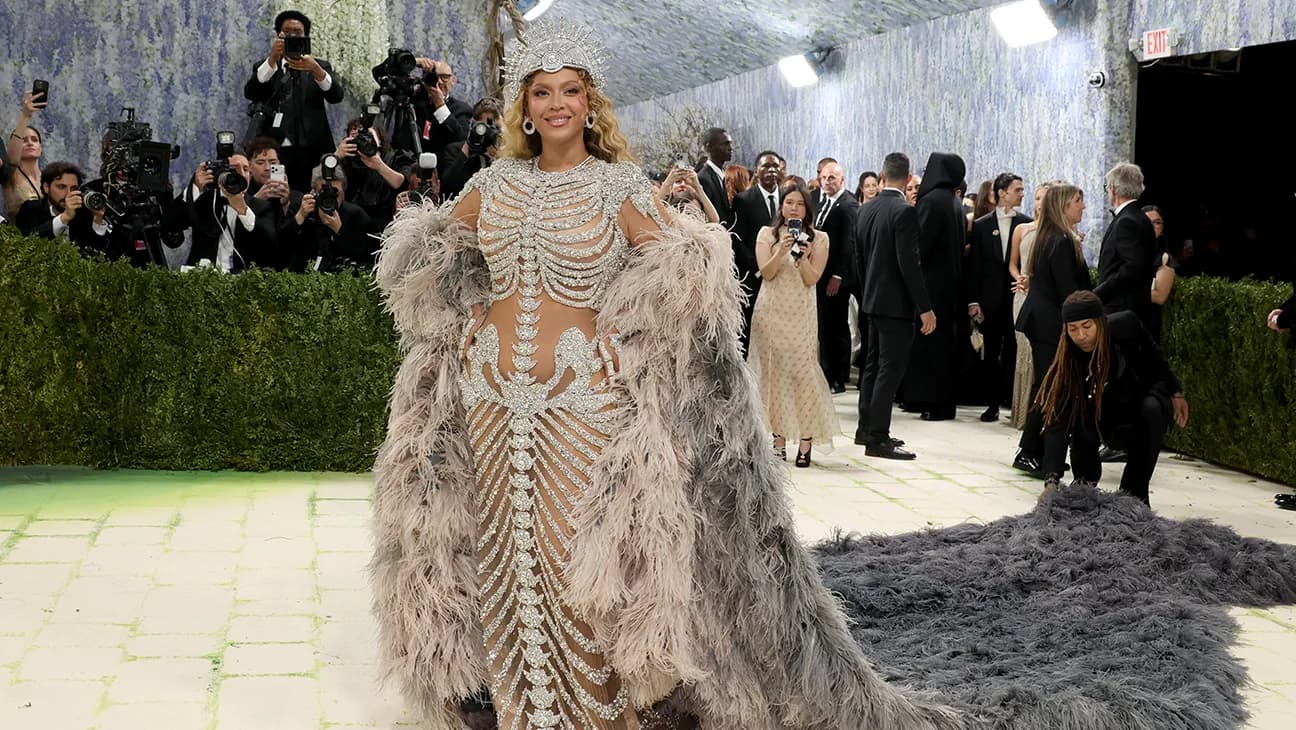
The 2026 Met Gala, hosted by the Metropolitan Museum of Art on May 4 in New York City, sparked widespread debate over elitism, the blurred boundaries between fashion and art, and the growing presence of high street brands on one of fashion’s most exclusive stages. Every year, the Met Gala dominates social media; celebrities, influencers, and billionaires wear outfits meant to be extravagant, artistic, shocking, and memorable. Even people who often don’t pay attention to fashion still end up encompassed by the Met Gala’s lure.
However, due to the often ostentatious displays of elite wealth, some critics drew parallels to Suzanne Collins’ book The Hunger Games, which depicts a dystopian North America polarized into wealthy and impoverished districts. Inflated costs, $100,000+ per ticket, choices by the co-chair, and themes seen as frivolous amid global inequality underlined this year’s backlash. Many people claimed that the celebrities acted overly opulent in a bubble environment, with Eileen Gu even donning a literal bubble dress that took 2,500 hours to craft.
Still, the Met Gala accomplished something crucial: transitioning people's discourse on fashion. The Gala wasn’t just about the brands, trends, or the celebrities themselves; instead, people argued over whether fashion should actually be considered art. Some argue that clothing can communicate emotions, culture, and political ideas just as powerfully as paintings or sculptures can, through symbolism, colors, fabrics, and styles, while others hold the view that calling the outfits of the celebrities “art” was simply an excuse to justify their fashion choices.
Ironically, the debate was exactly what the Met Gala tried to provoke. This year, the Met Gala, in some ways, redefined the distinction between fashion and art. The theme suggested that fashion is not meaningful just because it imitates artworks hanging in museums, but because the human body gives the clothing life and meaning. The cause of the online debates is how traditional art was typically presented. Paintings and sculptures, for instance, are inanimate objects to be observed from a distance: separated from everyday life.
On the other hand, fashion depends entirely on the person wearing it. Their facial expressions, movements, and physical appearance are all crucial factors in determining the artwork's presentation. Clothing moves and interacts with the human body in ways that paintings and sculptures cannot. Therefore, the new expression of art in fashion led to arguments.
The Met Gala didn’t just blur the lines between art and fashion; it also blurred the lines between luxury fashion and high street clothing. Ultimately, the 2026 Met Gala was memorable not because of a unilateral agreement but for the event’s lack thereof. Arguments over the exacerbation of elitism, the lines between art and fashion, and luxury fashion further publicized the fashion event as something more people cared about. Perhaps it's that tension that keeps the Met Gala on the periphery of the public eye. Whether people admired or criticized the event, this year's Met Gala succeeded in capturing the world's attention.